Reviewing Welcome Banners for Embroidery Projects
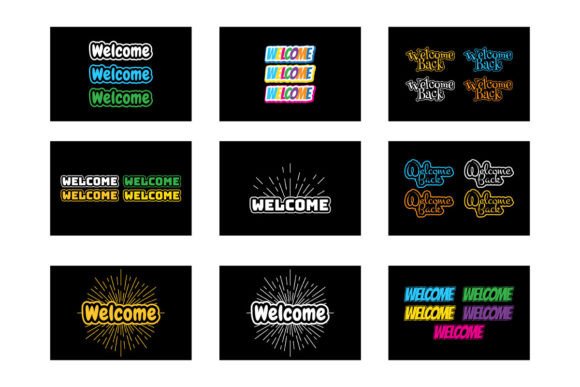
As a designer who spends more time than I care to admit staring at stitch density charts and testing thread tension, I approach every new Freebies drop with a mix of hope and skepticism. The market is flooded with generic clip art, but finding a Graphics asset that actually translates well into a physical embroidery project is rare. Today, I am putting the "Welcome Banners" design through its paces. Specifically, I’m looking at the "Welcome Banner 9 Sign, text, Vector" set to see if it has the legs to survive the needle, or if it’s just another pretty picture that falls apart in real life.
First Impressions: Mood and Visual Personality
When you first load the vector files—AI, EPS, SVG—you get a clean, crisp look. That is expected. But the question is always: does it feel like a banner? This particular design leans heavily into a warm, inviting aesthetic. It doesn’t scream; it whispers. It feels like the kind of design that belongs on a cottage-core apron or a rustic wooden sign rather than a high-tech athletic cap.
The layout is balanced, which is crucial for embroidery. Too much negative space can make a design look sparse after stitching, while too much detail can turn into a muddy blob. This design strikes a middle ground. The typography is bold enough to be read from a distance, yet the decorative elements add enough texture to keep the eye engaged. For an Etsy seller or a small business owner, this versatility is gold. It fits seamlessly into a curated shop aesthetic without overpowering the product it is attached to.
Real-World Application: Where Does It Fit?
I decided to test this concept mentally across several common handmade product categories. The first scenario that came to mind was a custom embroidered tote bag. There is something inherently welcoming about a canvas tote with a soft, stitched greeting. In this context, the "Welcome Banners" design would work beautifully as a central chest placement or even centered on the front panel of the bag. The clean lines of the vector translate well to the sturdy weave of cotton canvas, ensuring the satin stitch edges remain sharp and defined.
Another strong contender for this design is baby apparel. Think of a onesie or a burp cloth. The gentle vibe of the banner fits perfectly with the soft pastel palettes often used in nursery decor. However, here we must be careful. If the design includes tiny script text, it might get lost in the fill stitch areas when stitched onto the small surface area of a baby garment. I recommend scaling it up slightly to ensure legibility, or using it as a secondary accent rather than the main focal point.
For the craft business crowd, consider holiday gifts. A kitchen towel or a tea towel featuring this banner design adds a touch of hospitality that guests appreciate. It elevates a simple household item into a thoughtful personalized gift. The design’s adaptability means it can be stitched in neutral threads for a minimalist look or vibrant colors for a festive occasion. This flexibility is exactly what makes a digital embroidery file valuable to resellers.
Apparel and Accessories
Can it work on a sweatshirt? Absolutely. A crewneck sweatshirt with a small, left-chest version of the banner creates a subtle, boutique-level branding effect. It’s not loud; it’s refined. Similarly, for an embroidered patch, the rectangular nature of a banner lends itself well to being bordered and pinned onto denim jackets or backpacks. The shape provides a natural boundary, making the stitch density easier to manage around the edges.
Pitfalls and Precautions
No design is perfect, and "Welcome Banners" is no exception. As a reviewer, my job is to tell you where it might fail so you don’t waste your time and materials. Here are the specific areas where caution is required:
- Hoop Size Limitations: If you attempt to stitch this on a very small hoop (under 4x4 inches), you may find that the aspect ratio forces you to crop essential details. Always check the hoop size requirements before finalizing your mockup.
- Fabric Texture: This design relies on clean lines. Stitching it onto a highly textured fabric, like a chunky knit blanket or a rough burlap, will obscure the fine details. Stick to smooth fabrics like cotton, linen, or polyester blends for the best clarity.
- Stretchy Materials: Avoid using this on thin, stretchy jersey knits without heavy-duty stabilizer. The tension of the running stitch can cause puckering, warping the banner shape and making the text unreadable.
- Dense Stitch Areas: If the design uses large blocks of fill stitch, ensure your machine can handle the density. On dark fabric, dense stitching can sometimes trap heat and cause thread breakage. Test on scrap fabric first.
- Small Lettering: If the vector includes intricate script within the banner, be wary. Tiny letters often lose definition during the digitizing process. If you plan to sell these commercially, ensure the text remains legible after washing.
Technical Considerations for Designers
Before you import this into your embroidery software, there are a few technical steps you must take. First, inspect the vector paths. Since you receive AI, EPS, and SVG files, you have the freedom to edit. Break down complex shapes into separate layers if your machine requires color changes. This allows for better thread management and reduces the risk of thread breaks.
Thread color selection is critical. Because the design is a "banner," it likely has a background element. If you choose a light thread on a dark fabric, you may need to add a backing stabilizer or use a tear-away stabilizer to prevent show-through. Conversely, on white fabric, dark threads will pop, but you might need to adjust the underlay stitches to keep the fabric flat.
Always create a printable mockup or a digital preview before cutting your final fabric. Seeing the design in black and white can help you identify contrast issues that might be hidden by color in the vector file. This step saves you from ruining expensive fabric due to poor thread choice.
Final Verdict: Is It Worth Your Time?
"Welcome Banners" is a solid addition to any designer’s library, particularly those focused on hospitality, home goods, and personalized gifts. It is not a groundbreaking, avant-garde piece, but it is reliable, versatile, and visually pleasing. For the commercial embroidery professional, it offers a safe bet for client projects where "welcoming" and "friendly" are key brand values.
However, remember that a great vector does not guarantee a great embroidery. The success of this project depends entirely on your execution. Proper stabilizer usage, correct thread colors, and careful hoop placement are non-negotiable. If you treat it with respect, "Welcome Banners" will result in a finished product that customers love and sellers trust.
For the hobbyist, it’s a fun weekend project that yields a usable item. For the Etsy seller, it’s a low-risk, high-reward asset that can be mixed and matched with various products. Just don’t forget to check the licensing terms before you start selling your finished product. Happy stitching!