Reviewing Personal Branding Brochure Template Set for Embroidery
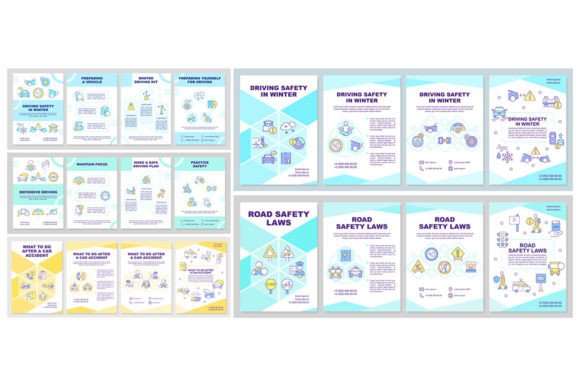
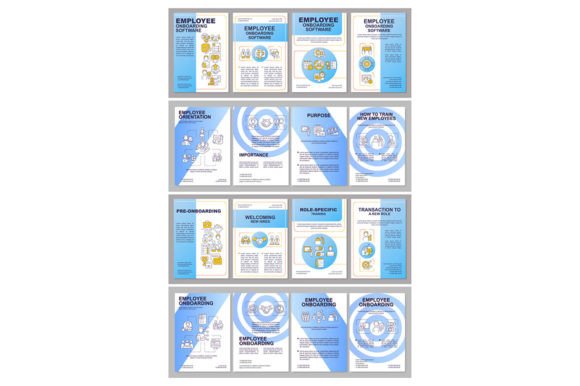
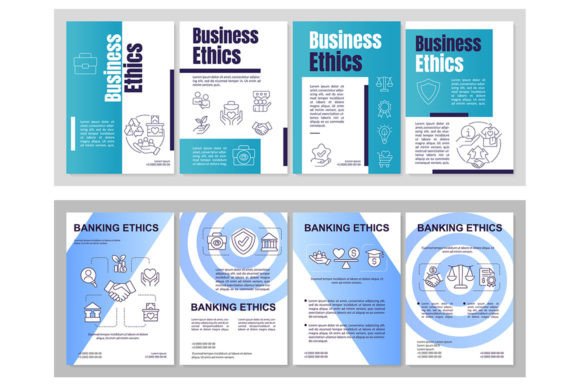
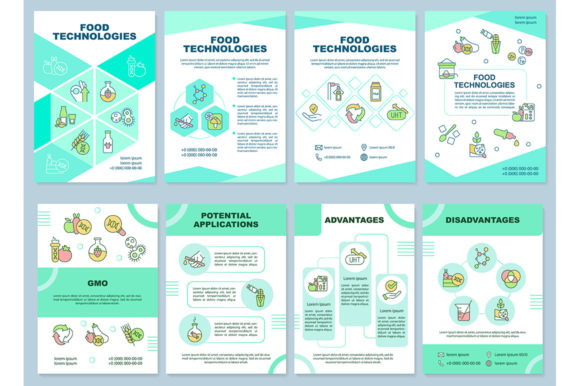
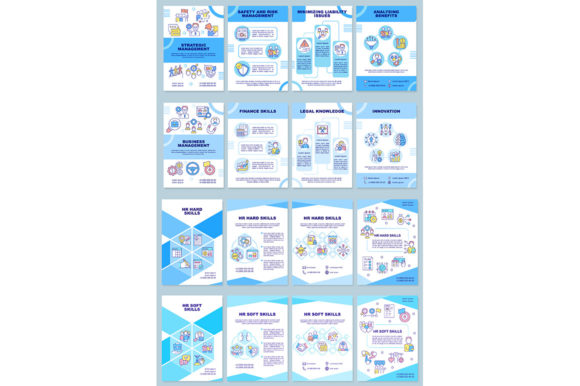
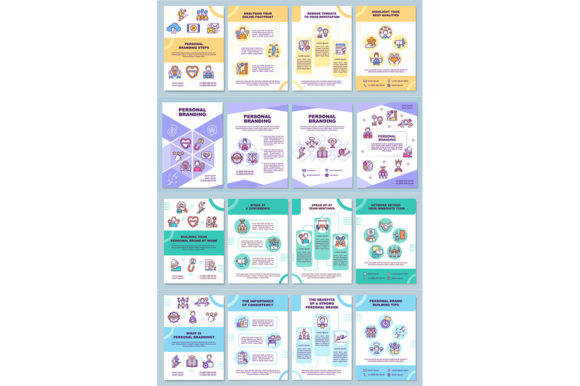
As a designer who spends half my life staring at screens and the other half troubleshooting thread tension on an embroidery machine, I have learned to be skeptical of digital assets that promise too much. When I first encountered the Personal Branding Brochure Template Set, my initial reaction was one of professional curiosity mixed with caution. The description highlights it as a collection of vector layouts for presentations, annual reports, and advertisement pages, featuring linear icons and cover designs intended for print. At first glance, this might seem like a mismatch for the world of machine embroidery design. However, in the modern creative economy, the line between digital branding and physical product design is increasingly blurred. This review explores whether these graphic templates can successfully transition from a PDF or vector file into a tangible, stitched reality, specifically for those looking to elevate their craft business.
The Visual Personality: Linear Elegance Meets Stitch
The defining characteristic of this template set is its linear aesthetic. Linear iconography relies on clean lines, negative space, and geometric precision. In the context of a brochure or a flyer, this looks crisp and authoritative. But how does it translate to thread? From a practical standpoint, linear designs are often the safest bet for beginners and seasoned pros alike because they avoid the pitfalls of overly dense fill stitches that can pucker fabric. The embroidery file potential here lies in the simplicity of the shapes. If you were to digitize elements from this set, you would likely rely heavily on satin stitch for outlines and perhaps running stitch for delicate internal details.
The mood created by these designs is one of public authority and corporate polish. It feels serious, structured, and high-end. For an Etsy seller or a small shop owner, this visual personality suggests a specific niche: professional gifts, corporate merchandise, or minimalist home decor. It does not scream "playful" or "whimsical"; instead, it whispers "established brand." This makes it an excellent candidate for creating custom apparel that aims to project competence and style, such as embroidered lapel pins, tote bags for conferences, or premium packaging inserts for handmade goods.
Real-World Application: From Screen to Sweatshirt
Let’s imagine a real-life scenario. You are preparing a batch of holiday gifts for your best clients—perhaps a custom embroidered sweatshirt paired with a branded notebook. You want the embroidery to reflect the same cohesive identity as your digital marketing materials. This is where the Personal Branding Brochure Template Set becomes intriguing. By extracting the linear logo concepts or the structural layout elements from the template, you can create a unified brand experience.
Consider a tote bag design for a boutique owner. A large, central linear emblem derived from these vectors could serve as a striking focal point. Because the original design is meant for print, the lines are likely optimized for clarity at various sizes. When transferred to fabric, this translates to high legibility. Unlike intricate floral patterns that can become muddy when stitched on textured canvas, the bold strokes of a linear design maintain their integrity. This ensures that your finished product looks as sharp on the garment as it does on the website. Furthermore, the versatility of the set allows for different applications; you might use a smaller icon for a pocket square or a larger booklet-inspired layout for a pillow cover, ensuring brand consistency across multiple handmade products.
Where Caution Is Required
However, we must address the limitations. While linear designs are generally forgiving, they are not immune to the challenges of fabric. The primary concern lies in scale and fabric texture. If you attempt to stitch tiny details from these vector layouts onto a curved surface like a cap, the distortion may cause the linear elements to warp, losing their intended geometric perfection. Similarly, on highly textured fabrics like heavy denim or terry cloth, fine lines can get lost or appear jagged.
Another critical area is stitch density. Although the source material is flat graphics, converting them to an embroidery project requires adding underlay and topstitch. If the digitizer (or you) sets the stitch density too high, the linear shapes may balloon out, turning elegant lines into thick, unrecognizable blobs. Conversely, if the lines are too thin, they may break during washing. It is essential to test the design on scrap fabric first, paying close attention to how the thread colors interact with the background. High contrast is non-negotiable for linear designs; a light grey line on a white shirt will vanish, ruining the visual appeal and customer trust in the quality of your work.
Practical Notes for the Designer
Before committing these designs to your production queue, there are several technical checks every craft business owner should perform. First, always inspect the small details. Linear icons often contain thin crossbars or intersections that can be difficult to stitch cleanly. Ensure your machine can handle the resolution without skipping stitches. Second, consider the stabilizer. Linear designs pull less than large fills, but they still require adequate support to prevent puckering, especially on stretchy knits used for sweatshirt embroidery or baby clothes.
Additionally, think about the end-user. A personalized gift featuring a complex linear layout might be overwhelming if not balanced with ample negative space. Use the template’s structure to guide the eye, not clutter it. Also, verify licensing. Since this is a Graphic Templates asset, ensure you have the commercial rights to modify and sell embroidered items based on it. Many vector packs allow personal use but restrict commercial distribution of the raw design. Always confirm whether you can alter the vectors before stitching, as direct transfers of copyrighted logos are rarely permissible.
Final Verdict on Value and Engagement
Does the Personal Branding Brochure Template Set add value to your portfolio? Absolutely, provided you approach it with a designer’s mindset rather than a consumer’s. It offers a sophisticated foundation for brands that need to look established and trustworthy. For digital product sellers offering mockups, these templates provide a realistic backdrop for showcasing embroidery services. For physical makers, they offer a path to creating commercial embroidery pieces that stand out for their cleanliness and professionalism.
The true strength of this set is its adaptability. It bridges the gap between design assets meant for paper and the tactile world of thread. By respecting the limitations of fabric and focusing on high-contrast, well-spaced execution, you can transform these static brochures into dynamic, wearable art. Whether you are creating a holiday embroidery collection or expanding your small shop product line, this template set provides the structural backbone needed to create items that feel both handmade and meticulously designed. Just remember: the screen is perfect, but the fabric tells the real story. Test thoroughly, stitch boldly, and let the linear elegance shine through.