Programmer Day Celebration Greeting Card Graphics & Graphic Templates
In the world of digital publishing, the difference between a scroll-past and a click-through is often measured in pixels. As a blog designer who has spent years optimizing content for readability, engagement, and conversion, I have learned that visual assets are not merely decorative; they are functional tools that dictate user behavior. When evaluating a graphic design asset for real website use, editorial integrity, and content publishing workflows, we must look beyond the aesthetic appeal to its practical application. This review examines the Programmer Day Celebration Greeting Card, a vector-based creative illustration designed to support tech-focused content, educational resources, and community-driven publications.
The First Impression: Editorial Mood and Visual Identity
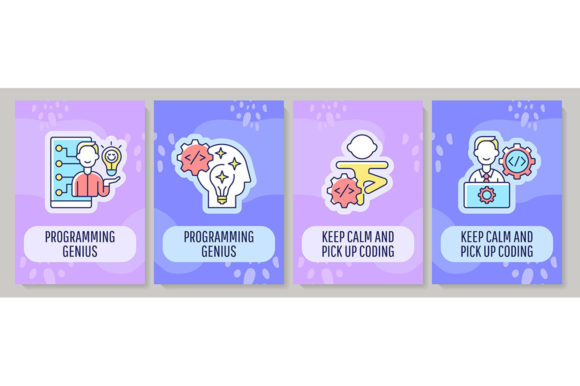
Upon first viewing the Programmer Day Celebration Greeting Card, the immediate takeaway is its clean, modern aesthetic combined with playful energy. The design features a color icon element set that suggests creativity and technical proficiency without overwhelming the viewer. For a content creator, this balance is crucial. It strikes a mood that is professional yet approachable—perfect for niches such as coding tutorials, software development blogs, online education platforms, or tech community newsletters.
The asset carries an air of "programming genius," but it does so through a lens of celebratory warmth rather than cold corporate sterility. This makes it ideal for lifestyle-focused tech blogs, freelance developer portfolios, or small business branding efforts in the digital space. The decorative flyer style offers a versatile foundation that can be adapted for various editorial layouts, from hero images on landing pages to downloadable printables for students. It feels artistic and bold enough to grab attention on social media feeds, yet structured enough to maintain brand consistency across a website’s visual system.
Real-World Publishing Applications
Integrating high-quality graphics into your content marketing strategy requires versatility. The Programmer Day Celebration Greeting Card is not limited to a single use case. Its vector nature allows for scalability, making it a valuable addition to any digital publisher’s toolkit. Here is how this asset can enhance specific areas of your workflow:
- Blog Featured Images: Use the card as a base for article headers about coding milestones, developer productivity tips, or tech industry trends. The vibrant colors help the image stand out in search results and social shares.
- Pinterest Pins: Create eye-catching pins for your digital guides or worksheets. The graphic’s composition leaves room for overlay text, allowing you to highlight key takeaways like "5 Tips for Junior Developers" or "Celebrate Your Code."
- Newsletter Graphics: Incorporate the design into email headers to boost open rates. A visually appealing newsletter banner signals quality and care, encouraging readers to engage with your affiliate marketing links or sponsored content.
- Digital Products: If you sell eBooks, courses, or templates, this card can serve as a cover image or a bonus download. It adds perceived value to your lead magnets and helps establish a cohesive brand identity.
- Social Media Posts: Adapt the design for Instagram or LinkedIn posts celebrating team achievements or personal coding victories. It supports human-centric storytelling within a tech niche.
- Website Banners: Deploy the graphic on your homepage or category pages to create a welcoming atmosphere for new visitors. It works well as a web design accent that reinforces your site’s focus on creativity and technology.
Impact on Content Performance and Reader Trust
Visual hierarchy is the backbone of effective web design. By using a polished graphic template like the Programmer Day Celebration Greeting Card, you signal professionalism and attention to detail. Readers subconsciously associate high-quality visuals with high-quality content. When your blog graphics are consistent and aesthetically pleasing, it improves reader trust and encourages longer session durations.
Furthermore, a strong visual identity aids in category recognition. If your site covers multiple topics, distinct graphic styles for each section help users navigate effortlessly. This asset, with its clear thematic focus, can anchor your tech or education sections, making them instantly recognizable. In the context of affiliate marketing, where credibility is paramount, presenting products or recommendations alongside professional designs can increase click-through potential. It transforms a simple link into a curated experience.
Strategic Placement for Maximum Effectiveness
To maximize the utility of this creative design, consider where it fits best in your layout. Hero images benefit from the card’s central focus, drawing the eye immediately. Article thumbnails gain depth when paired with bold typography. Pinterest pins thrive on the contrast provided by the color icons, ensuring visibility even at small sizes. For editorial accents, use scaled-down versions of the elements to break up long-form text, keeping readers engaged.
However, strategic placement also means knowing where not to force the asset. It should be used carefully in contexts where minimalism is key. For serious professional niches, such as legal tech or enterprise software documentation, the playful nature might undermine authority. Similarly, avoid placing it on busy layouts or low-contrast backgrounds where readability suffers. Small mobile thumbnails may lose detail, so always test the legibility of overlaid text.
Practical Publisher Notes for Implementation
Before integrating the Programmer Day Celebration Greeting Card into your live projects, there are several technical and aesthetic checks to perform. These steps ensure that the asset enhances your web design rather than detracting from it.
- Cross-Device Testing: Preview the graphic on desktop, tablet, and mobile screens. Ensure that critical elements remain visible and that the file size does not compromise page load speed.
- Thumbnail Verification: Shrink the image to thumbnail size. Does it still convey the intended message? If details become muddy, simplify the overlay text or choose a higher-resolution version.
- Layout Integration: Place the graphic inside a real blog layout. Check how it interacts with your existing color palette and grid system. A mismatched background can ruin the impact of even the best design assets.
- Typography Pairing: Experiment with different font styles. Try pairing the card with a serif font for a classic editorial look, a sans-serif font for modern clarity, or a script/handwritten font for a personal touch. Display fonts can add flair to headlines but should be used sparingly.
- Contrast and Readability: Test the graphic against both light and dark backgrounds. Ensure sufficient contrast for any text overlays to maintain accessibility standards.
- Monochrome Check: View the asset in black and white. If the design relies solely on color for structure, it may fail in grayscale contexts, such as certain print materials or accessibility modes.
- Performance Optimization: Compress images properly using tools like TinyPNG or ImageOptim. Large files slow down your site, hurting SEO and user experience.
- Licensing Confirmation: Always confirm the commercial license before using the asset on monetized websites, affiliate pages, or paid content products. Understanding the terms protects your business and ensures ethical use of commercial design resources.
Conclusion
The Programmer Day Celebration Greeting Card is more than just a festive image; it is a versatile digital product that can elevate your content strategy. Whether you are designing a Canva template for clients, creating a lead magnet for your email list, or simply updating your website’s visual language, this asset offers a blend of creativity and professionalism. By thoughtfully integrating it into your publishing workflow, you can strengthen your brand identity, improve content performance, and deliver a superior experience to your audience. For bloggers, designers, and digital marketers seeking to refine their editorial design, this graphic template is a worthy investment in your visual communication toolkit.