People Use Virtual Reality Technology Graphics and Illustrations Review
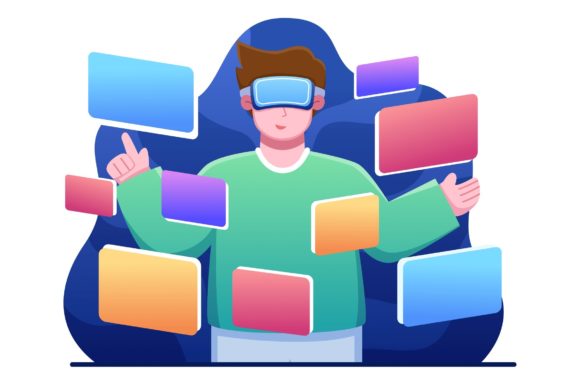
As a brand designer who has spent years helping small businesses and digital creators build cohesive visual identities, I am constantly on the lookout for high-quality design assets that can elevate a campaign without overwhelming the core message. Recently, I reviewed a specific illustration titled People Use Virtual Reality Technology. This asset, which features individuals wearing VR headsets in a virtual augmented reality context, offers a compelling visual narrative for modern marketing needs. Below is my professional assessment of how this graphic design asset performs in real-world branding scenarios.
First Impressions: Mood and Visual Tone
When you first open the file for People Use Virtual Reality Technology, the immediate takeaway is its clean, contemporary aesthetic. The illustration captures the essence of immersive technology through stylized figures interacting with digital interfaces. For a brand owner or content marketer, the mood here is crucial. It does not feel overly technical or cold; instead, it strikes a balance between futuristic innovation and human accessibility.
This emotional tone makes it highly versatile. It works exceptionally well for lifestyle brands that want to signal they are forward-thinking, or for tech startups looking to soften their image with relatable human elements. The visual hierarchy is naturally established by the focus on the headsets and the users' engagement, which guides the viewer’s eye effectively. However, because the concept involves "virtual" and "augmented reality," there is an inherent complexity to the imagery. If your brand relies on extreme minimalism, this asset might introduce too much visual noise. But for brands aiming to convey activity, connectivity, and modernity, it sets a strong, engaging stage.
Real-World Application: A Product Launch Scenario
To understand the true value of this illustration, let’s look at a practical example. Imagine a small business launching a new line of smart home devices or perhaps an online coaching platform focused on digital wellness. They need to refresh their social media visuals and create a landing page that explains complex technology simply.
In this workflow, People Use Virtual Reality Technology becomes a cornerstone element. You could use the main graphic as the hero image on a landing page, immediately communicating that the product involves cutting-edge interaction. For Instagram posts, you might extract the characters to create a series of carousel slides explaining features step-by-step. In a Facebook ad, placing this marketing visual alongside a clear call-to-action button can significantly improve click-through rates by providing a focal point that stops the scroll. It transforms abstract concepts like "user experience" into something tangible and visible.
Building Brand Identity and Trust
Consistency is key to building audience trust. Using a high-quality digital product like this ensures that your brand looks professional across all touchpoints. When you apply this creative design to various materials, from email banners to Pinterest pins, you create a unified visual language.
This asset supports stronger recognition because it is distinct yet universally understandable. In the crowded space of content marketing, having unique design assets helps differentiate your brand from competitors who might be using generic stock photos. By integrating this SVG design or PNG design into your brand identity kit, you signal to your audience that you pay attention to detail. Whether you are designing packaging inserts, event flyers, or merchandise stickers, the vibrant and clear nature of this illustration ensures your brand remains memorable.
Where This Asset Shines
There are specific contexts where People Use Virtual Reality Technology excels:
- Hero Graphics and Campaign Headers: Its horizontal composition (depending on the specific layout) works well for website headers, allowing ample space for headline text overlay.
- Social Media Covers: The dynamic nature of people interacting with tech fits perfectly with LinkedIn or Facebook cover images for tech-related events or webinars.
- Editorial Layouts: For blog posts or infographics discussing trends in AI, VR, or future tech, this illustration provides a polished, editorial-grade visual anchor.
- Digital Ads: In display advertising, the bright colors and clear subject matter help capture attention quickly in limited screen real estate.
Areas Requiring Caution
While powerful, no single asset is perfect for every situation. There are limitations you must consider before integrating this into your commercial design projects.
First, avoid using this in formal corporate branding where a conservative, understated aesthetic is required. The playful, modern vibe might clash with a traditional law firm or financial institution's serious tone. Second, be mindful of dense information layouts. If you are creating a data-heavy infographic, this illustration might compete with the text rather than complement it. Always ensure the visual hierarchy prioritizes your message.
Additionally, test the asset on mobile screens. While vector-based graphics scale well, intricate details in the VR headsets might become blurry or indistinct at very small sizes. If you plan to use this in small business branding for tiny icons or favicons, you may need to simplify the graphic or choose a different, more minimalist icon. Finally, ensure it pairs well with your existing typography. It generally works best with sans-serif fonts that reflect modernity, but you should test it against script or handwritten fonts to see if the contrast creates the desired effect.
Practical Designer Notes for Implementation
Before adding this illustration to your design bundle or client project, follow these practical steps:
- Color Palette Test: Check how the colors interact with your brand’s primary and secondary colors. Can you easily recolor the VR headsets or clothing to match your brand guidelines?
- Black and White Preview: View the asset in grayscale to ensure the shapes remain distinct and recognizable without color cues.
- Mockup Integration: Place the graphic inside real campaign mockups, such as a phone screen or a printed brochure, to judge its impact in context.
- Licensing Review: Confirm the commercial license terms. Ensure you are permitted to use the asset in paid campaigns, client work, and resale items if applicable.
In conclusion, People Use Virtual Reality Technology is a robust graphic design asset that brings energy and relevance to modern marketing efforts. By understanding its strengths in conveying innovation and its limitations in formal or dense contexts, you can leverage it to create professional, engaging, and trustworthy brand communications.