Doodle Design Element Graphics and Decorative Elements Review
When I sit down to curate a new collection for my digital product shop, I am always looking for that perfect balance between aesthetic appeal and commercial viability. Recently, I came across the Doodle Design Element, a graphic asset from a store that markets itself as a hub for T-shirt designs and digital files for special occasions. As an experienced creator who sells on multiple platforms, including Etsy and print-on-demand sites, I decided to put this asset through its paces. My goal was to determine if it truly fits into a professional workflow for creating sellable products, or if it is just another cluttered file in the sea of online graphics.
First Impressions and Visual Personality
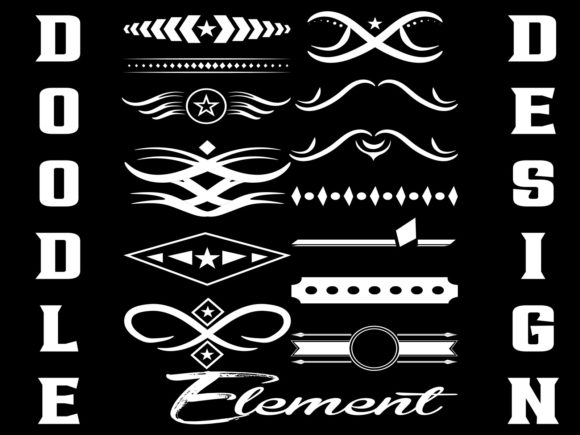
The immediate takeaway from the Doodle Design Element is its versatility. The description mentions it is suitable for friends, family, and special days, which hints at a broad emotional appeal. Visually, the design strikes a chord between playful and polished. It does not feel overly childish, nor does it lean too heavily into rigid minimalism. Instead, it occupies a sweet spot that appeals to a wide demographic—from crafters looking for Cricut projects to small business owners seeking brand identity elements.
In terms of niche appeal, this asset feels particularly strong for handmade businesses and creative entrepreneurs who want to add a touch of personality without overwhelming their customers. The decorative nature of the element allows it to frame text beautifully, making it ideal for greeting cards, invitation templates, and social media graphics. However, potential buyers should note that while it is attractive, its success depends entirely on how well it is integrated with typography and layout. On its own, it is a charming illustration, but as a standalone product, it may lack the perceived value needed for high-ticket items.
Real-World Application: Testing Across Product Lines
To truly understand the utility of this graphic design asset, I tested it across several common product categories that dominate the current digital marketplace. Here is how the Doodle Design Element performed in real selling scenarios:
- SVG Products and Cricut Projects: If you are selling cut files, the quality of the lines is paramount. When I inspected the vector data, the curves were smooth, which is crucial for vinyl cutting. This makes it a strong candidate for t-shirt designs, mug designs, and tote bag prints. However, sellers must ensure that the internal details are not so intricate that they become difficult to weed out during the production process.
- PNG Clipart and Sticker Designs: For digital planners and scrapbooking kits, the transparency of the PNG file is key. The Doodle Design Element held up well against white backgrounds, offering clean edges. It could easily be used as part of a larger clipart bundle, adding visual interest to digital stickers or planner overlays. Its decorative style works exceptionally well for seasonal bundles, such as holiday-themed digital downloads.
- Print-on-Demand and Sublimation: When scaling this up for sublimation designs on tumblers or wall art, resolution becomes the enemy. I tested the asset at various scales, and it maintained its integrity up to a moderate size. For large-format printable wall art, however, you would need to ensure the source file is high-resolution to avoid pixelation. It is better suited for smaller merchandise items like mugs, phone cases, and apparel where the design acts as a focal point rather than a background pattern.
- Canva Templates and Social Media: This is perhaps the strongest use case. The element serves as an excellent anchor for Canva templates. Bloggers and content creators can use it to create cohesive brand identities, using the doodle as a recurring motif in headers, footers, or promotional visuals. Its flexible nature allows it to complement both serif fonts for a classic look and handwritten fonts for a personal touch.
Enhancing Product Presentation and Mockups
In the world of digital sales, your listing images are everything. A beautiful asset can still fail if it is presented poorly. The Doodle Design Element offers significant potential for improving thumbnail appeal and click-through rates. Because it has a distinct visual personality, it helps establish visual hierarchy in your mockup previews.
Imagine a listing for a "Birthday Invitation Template." Placing the Doodle Design Element around the edge of the mockup instantly communicates the theme without needing excessive text. It adds depth and texture to the image, making the product look more premium. Similarly, for packaging design, this asset can be used to create branded tags or labels, enhancing the unboxing experience for your customers. By pairing the graphic with elegant typography, you can elevate the perceived value of even the simplest digital download.
Strategic Bundling and Collections
One of the most effective ways to increase average order value is through strategic bundling. The Doodle Design Element is versatile enough to serve as the "hero" image for a design bundle. You could combine it with complementary patterns, solid color palettes, and matching font sets to create a comprehensive kit for users. This approach not only provides more value to the buyer but also positions your shop as a curated destination for high-quality design assets.
Where Caution Is Required
While the asset has many strengths, there are specific areas where it should be used carefully to avoid negative reviews or customer dissatisfaction.
- Tiny Details and Low Resolution: Avoid using this element for tiny sticker details or highly complex layouts where small parts might get lost. If you plan to sell it as a low-cost item, ensure the file resolution is sufficient for the intended use. Never stretch a low-res PNG for a large print product.
- Crowded Thumbnails: On marketplaces like Etsy, thumbnails are small. If the Doodle Design Element is too intricate, it may appear as a muddy blob on a mobile screen. Test your listings by viewing them on a smartphone to ensure the design remains recognizable and appealing at a glance.
- Contrast and Backgrounds: The asset appears to have lighter tones. Using it on dark backgrounds without adjusting opacity or adding a shadow effect can result in weak contrast, making the design hard to see. Always test your designs on both light and dark backgrounds before publishing.
- Text-Heavy Templates: Do not let the decorative element compete with your primary message. In greeting cards or informational posts, the doodle should support the text, not overpower it. Maintain a clear visual hierarchy to ensure readability.
Practical Seller Notes for Implementation
Before adding the Doodle Design Element to your inventory, follow these practical steps to ensure professionalism and compliance:
- Verify Commercial Licensing: This is non-negotiable. Confirm that the commercial license allows for resale of finished products. Some licenses restrict the number of physical items you can sell or prohibit reselling the digital file itself.
- Test Print Colors: Screen colors do not always match print colors. If you are creating physical products, run a test print to check how the colors translate to paper or fabric.
- Inspect SVG Cut Quality: If selling SVGs, open the file in your cutting software to check for overlapping paths or unnecessary nodes that could cause cutting errors.
- Organize Files Clearly: Provide customers with a well-organized folder structure. Include instructions on how to use the file, whether it is for a Cricut project or a Canva template. Clear organization reduces customer support queries and improves satisfaction.
- Pair with Complementary Fonts: Experiment with different font styles. A script font can enhance the whimsical nature of the doodle, while a sans serif font can modernize it. Find the combination that best fits your brand identity.
Final Verdict
The Doodle Design Element is a solid addition to any digital seller’s toolkit. It is not a revolutionary breakthrough, but it is a reliable, aesthetically pleasing asset that fits seamlessly into various product categories. From t-shirt designs to planner stickers, its flexibility allows for creative experimentation. By testing it thoroughly, respecting licensing agreements, and presenting it professionally in your mockups, you can leverage this asset to build a more diverse and attractive online shop. For sellers looking to expand their offerings with high-quality decorative elements, this is a worthy investment of time and resources.