Business Infographic Page Template with
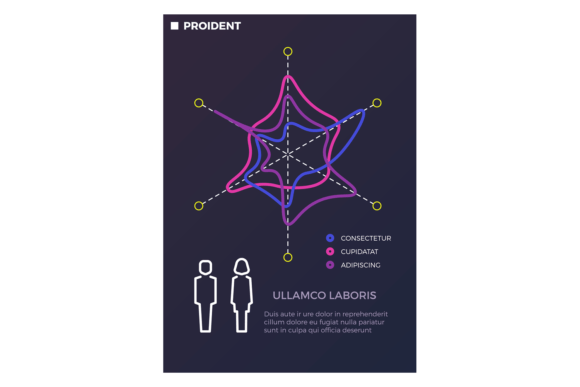
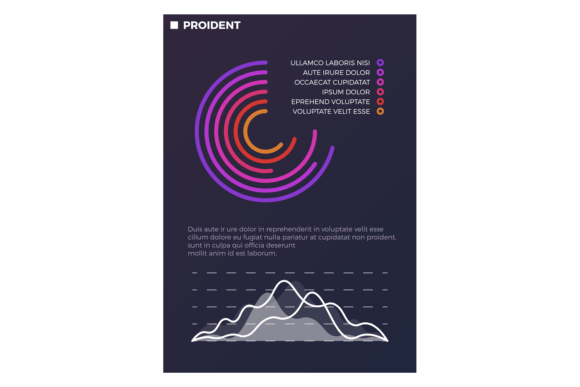
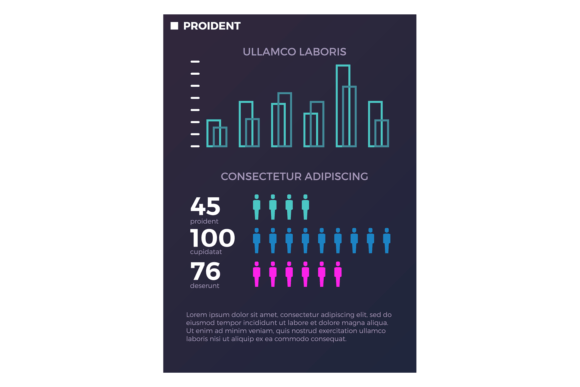
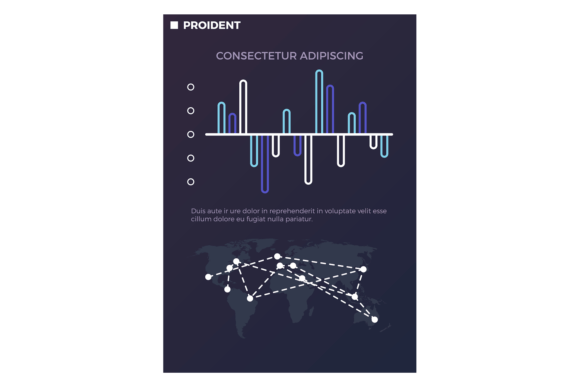
When I first opened the Business Infographic Page Template with, my initial thought wasn't about stitch counts or thread colors, but rather about the story it tells. It is a clean, modern graphic featuring a world map and bar chart, delivered as a vector illustration in EPS, JPG, and SVG formats. As someone who has spent years turning digital files into tangible stitched goods for clients, I immediately started visualizing this design on various fabrics. The mood is professional yet accessible, making it perfect for corporate gifts, boutique branding, or educational materials that need to look polished without being stiff.
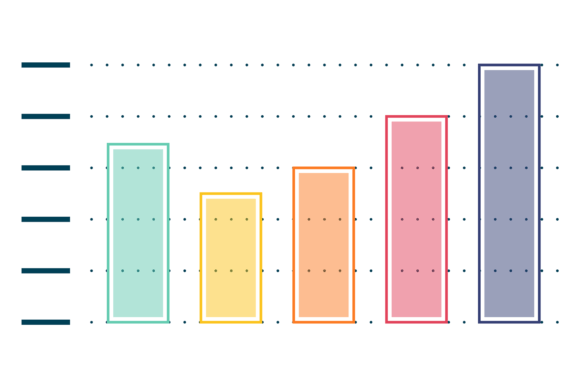
The layout creates an immediate sense of order and global connection. For an embroidery designer, the challenge often lies in translating flat vector lines into raised threads that hold their shape. This design offers a unique opportunity because it combines geometric precision with organic flow. The world map provides large areas suitable for fill stitches, while the bar charts offer distinct blocks that can be rendered beautifully with satin or running stitches. It feels like a design asset that belongs in a serious commercial project rather than a quick hobbyist experiment.
Real-World Application: From Screen to Stitch
I recently received a request from a small business owner who wanted to create a custom embroidered tote bag for her new consulting firm. She needed something that screamed "professional" but also felt handmade and approachable. We discussed using the Business Infographic Page Template with as the centerpiece. The concept was simple: a stylized map showing their service reach, paired with a subtle bar chart representing growth metrics.
The decision to use this specific graphics file was strategic. Unlike a generic floral pattern, this design communicates value and expertise. When we tested the mockup on a canvas tote, the contrast between the dark background fabric and the lighter thread colors made the chart bars pop. However, the real test was how the details held up after stitching. The world map's coastlines are smooth enough to avoid jagged edges, which is crucial when working with dense stitch patterns. If the lines were too intricate, they would have blurred together on a thick cotton blend, but here, the spacing allows the machine to breathe.
This same design could easily transition to a sweatshirt embroidery project for a team retreat or a baby item for a nursery decor line focused on education. Imagine a soft cotton onesie featuring a simplified version of the map, perhaps in pastel threads. Or consider an apron for a culinary school where the bar chart represents flavor profiles. The versatility is high, provided you adjust the scale and thread selection appropriately. It fits naturally into products that require a touch of sophistication, such as holiday gifts for colleagues or personalized products for corporate events.
Where Caution is Required
While the potential is exciting, every experienced designer knows that not every design works everywhere. There are specific scenarios where the Business Infographic Page Template with might struggle if not handled with care. First, consider the hoop size. If you attempt to stitch this on a very small patch or a cap, the world map details may become indistinguishable. Tiny lettering or fine grid lines within the chart can disappear under the tension of the stabilizer or simply get lost in the texture of the fabric.
Textured fabrics present another hurdle. A chunky wool sweater or a heavily woven linen might distort the straight lines of the bar chart. Satin stitch relies on a relatively smooth surface to lay flat; on a bumpy texture, the threads will bridge gaps unevenly, creating a messy appearance. Similarly, stretchy fabrics like jersey or spandex blends require extra attention. Without a strong cutaway stabilizer, the constant movement of the fabric during stitching can cause the design to pucker, ruining the crisp geometry of the infographic.
Dense stitch areas are also a point of consideration. If the original vector illustration has overlapping elements or very tight spacing, the embroidery machine might struggle to push the needle through multiple layers of thread. This is particularly true for fill stitches covering the entire map area. On thin fabrics, the density could cause puckering or even tear the material. Dark fabrics are another factor; while they offer great contrast for light threads, they require careful thread selection to ensure the design doesn't look muddy. Always inspect small details before committing to a full production run.
Visual Appeal and Product Value
Using the Business Infographic Page Template with significantly elevates the perceived value of a finished product. In the world of Etsy sellers and craft businesses, buyers are looking for items that feel unique and high-quality. A standard logo might be expected, but a custom-stitched infographic suggests a deeper level of customization and effort. It signals to the customer that the maker took time to translate complex data into art.
This design enhances brand consistency for small shop owners. Whether you are selling digital embroidery files or physical goods, having a cohesive theme helps build trust. A client receiving a pillow cover with a neatly stitched map and chart is more likely to view your work as professional compared to one with a generic pattern. The design assets allow for creative freedom in how you present the final product. You can use printable mockups to show clients exactly how the embroidery project will look before a single stitch is made, reducing returns and increasing satisfaction.
However, the success of the finished product depends heavily on execution. If the thread colors clash with the fabric, or if the stitch density is too low, the professional look vanishes instantly. To maintain high standards, you must review the stitch density and confirm the hoop size before starting. Using proper stabilizer is non-negotiable for maintaining the integrity of the map and chart lines. For commercial embroidery projects, ensuring that the design works for both personal and commercial use requires checking the licensing terms of the original vector file.
Practical Notes for the Designer
Before you load this design into your machine, there are several steps you should take to ensure success. Start by testing the design on scrap fabric that matches your intended project material. This helps you gauge how the thread behaves on that specific texture. Check the thread color contrast carefully; sometimes a color that looks good on a screen appears dull once stitched. Review the stitch density to see if any areas are too crowded, which could lead to thread breaks or poor coverage.
Confirm the hoop size limits of your machine and compare them to the dimensions of the embroidery file. If the design is too large, you may need to split it or reduce the scale, which could impact the clarity of the bar chart. Inspect small details like the grid lines on the map; these are often the first things to get lost in translation. Test the design in black and white mockups to ensure the contrast holds up regardless of the thread color palette you choose.
Compare how the design performs on both light and dark fabric backgrounds. Light fabrics might require a backing layer to prevent show-through, while dark fabrics might need a specific underlay to make the colors pop. Use a proper stabilizer that matches the weight of your fabric; for heavy items like aprons, a cutaway stabilizer is usually best, while knitwear might benefit from a tear-away. Finally, verify whether the design works for both personal and commercial projects, and confirm licensing before selling finished items or digital products derived from this template.
In conclusion, the Business Infographic Page Template with is a powerful tool for designers willing to put in the prep work. It bridges the gap between digital information and tactile craftsmanship, offering endless possibilities for custom apparel, baby embroidery, and holiday embroidery. By approaching it with realistic expectations and practical testing, you can create stunning handmade products that stand out in a crowded market. Whether you are an Etsy seller looking to expand your inventory or a small shop product creator aiming for higher prices, this design offers a solid foundation for professional results.